

Session Structure: Building Hypnosis Sessions That Actually Hold
The structure behind sessions that produce real change — from a hypnotist with over two decades of one-on-one practice.
Certification teaches you the mechanics of hypnosis. It rarely teaches you how to run a session that a client comes back from with a real, lasting shift. That is the part you tend to figure out — or not figure out — after graduation, in the actual chair with actual people.
Session structure is not a script. It is the through-line that holds the session together from the moment a client walks in to the moment they walk out feeling different. Get it right and clients trust the process, refer their friends, and complete the work you started. Get it wrong and clients drift, no-show, or leave halfway through the change they came for.
This page is a preview of what is coming for practicing hypnotists inside the membership. Below is the first layer of what we cover on session structure — enough to be useful on its own, and enough to show you the depth of what is in the full training.
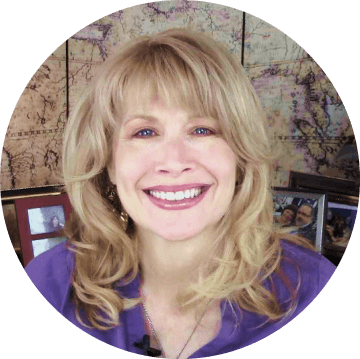
Live sessions with Celeste inside the membership walk through real client cases — with the session structure decisions unpacked step by step.
From a Hypnotist Who Has Spent a Career Doing This Work
Celeste has spent over two decades doing this work one-on-one — with everyday people and everyday problems, going deep enough for the change to hold.
The core of any session that actually holds tends to have the same underlying shape, regardless of what the client came in for. There is the pre-session frame that sets the client’s expectation of what is about to happen. There is the way the induction is delivered — which is less about the words and more about your presence. There is the deepening that most hypnotists rush. There is the actual change work, which is often where new hypnotists over-explain and lose the client. And there is the emergence and integration, which is where most of the long-term stickiness of the session gets built or lost.
None of these are secret. But few new hypnotists were taught how to weight them, when to slow down, when to go quiet, and when the client is telling you — with body language rather than words — that the deeper work is starting.
What Celeste teaches inside the membership is not a script. It is the pattern recognition she has developed over two decades of one-on-one practice — what to notice, when to move, when to hold, and how to let the session do more of the work than you do. This is the craft that certification cannot teach because it only becomes clear after hundreds of real sessions with real people.
What Makes a Session Actually Hold
A session that holds shares a few observable features. The client leaves believing the change more than the hypnotist does. The client is not exhausted at the end — they are quiet and settled. The client remembers, in the days that follow, what they felt, more than what you said. And the pattern the client came in with genuinely does not run the way it used to, even without effort. When those things are present, you built a session that will hold. When they are not, something in the structure needs adjustment.
Picture this: you run a session, the client cries in the chair, they thank you profusely, and by Thursday they are back to the same behavior. That happens to almost every hypnotist at some point. When it does, the fix is usually structural, not emotional. Something in the session did not anchor the change deeply enough for it to survive the client’s normal life.
What Weak Session Structure Looks Like
A weakly structured session usually feels productive to the hypnotist and evaporates for the client. In the room it looks like a real experience; a few days later it does not translate into behavior. That gap between session-room feeling and real-life change is where careful structure earns its keep.

The most common structural weaknesses are: pre-session frame that was too vague, so the client did not know what to expect internally; deepening that was rushed because the hypnotist got nervous about time; change work that over-explained instead of letting the subconscious hold the material; and emergence that ended the session too quickly, before the change was anchored in the client’s felt sense.
None of these failures come from bad technique. They come from a session shape that has one weak seam somewhere. Once you can see the seams, you can strengthen them.
Session Structure: The Deeper Training Inside the Membership
Inside the membership, Celeste walks through the full session structure framework she has developed over more than two decades of one-on-one practice — the exact sequence, timing, and language decisions that turn a nice session into a session that holds.
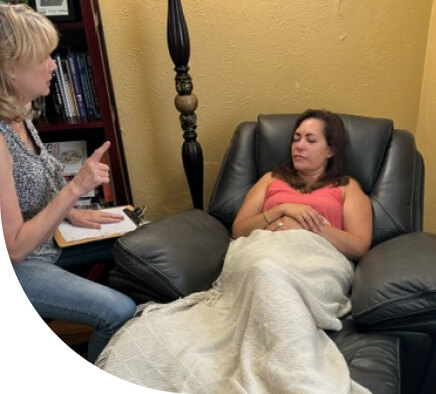
Unlike generic training that covers technique in a vacuum, this training uses real client cases, real session transcripts, and the specific structural decisions that made those sessions stick. Members typically see the shape of their own sessions differently within the first month — including sessions they thought they had already done well.
Hypnosis is not a mystical form of stage magic that puts people into a deep slumber and makes them do random things without realizing it. Hypnosis is actually a state of mind that accesses the subconscious, which holds all of our memories and life experiences– even the ones we don’t consciously remember.
Celeste’s role in the membership is as a working hypnotist teaching the craft, not as a lecturer teaching theory. Every principle comes from cases she has personally worked, and every structural decision has been tested against clients who did and did not come back to finish the change.
With the right structure, understanding, and practice, members build sessions their clients complete, refer, and remember for years.
Success Stories & Research
Hypnosis is a real craft and, when structured well, it produces results that hold. The problem most practicing hypnotists face is not technique — it is that they were trained to run a session without being trained to build one that a client comes back from changed.
Get Started Today
If you are ready to build sessions that hold, take a look inside the membership. Real client cases, real session structure decisions, and a community of hypnotists doing the work at a professional level.
Add your name to the list to be notified when the membership opens. Charter members get a founding rate that will not be offered again.

Family First Hypnosis — For Hypnotists
Family First Hypnosis — For Hypnotists
Celeste Hackett is a renowned hypnotist who has over twenty years of experience helping everyday people overcome extraordinary problems. Celeste also teaches at a national level, has received multiple professional awards and writes for the Journal of Hypnotism. In addition, she is double board certified. Her practice is conveniently located in Plano, Texas, and she serves clients from all over the world as well with virtual sessions.
Whether you are in Denton, Dallas, McKinney, Frisco, Celina, Little Elm, Fort Worth, Arlington, or Plano, Celeste can help with your incredible life changes. Remember – Celeste also offers virtual sessions, so you can finally be who and how you want to be no matter where you are!
Ready to Join the Membership List?
Add your name to be notified when the first cohort opens. Charter members get a founding rate that will not be offered again.