


Who May Benefit from a Referral?
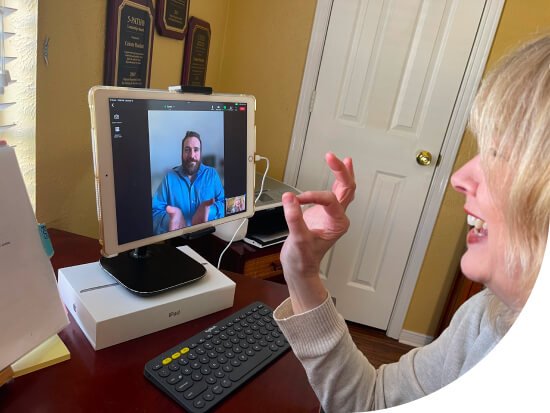
Family First Hypnosis specializes in helping individuals address persistent emotional, behavioral, and subconscious patterns that may be contributing to difficulties in their everyday lives.
With more than 20 years of experience, Celeste Hackett has developed particular expertise in working with individuals who continue to experience unwanted patterns despite previous efforts to make changes.
Areas of specialization include:
- Anxiety-related concerns, fears, and phobias — complementary support with appropriate mental health professional involvement
- Smoking, vaping, and unwanted habits
- Emotional eating and weight management
- Stress-related physical discomfort — following appropriate medical evaluation
- Sleep difficulties
- Confidence, self-esteem, and performance concerns
- Persistent emotional and behavioral patterns
- Physical discomfort or symptoms for which medical evaluations have not identified a clear cause — with appropriate medical oversight and clearance
Celeste has extensive experience helping individuals explore how emotional responses, stress, and learned subconscious patterns may influence their experience of physical discomfort.
Hypnosis is offered as a complementary approach and does not replace medical evaluation, diagnosis, psychotherapy, or mental health treatment. Appropriate professional involvement may be necessary depending on the client’s circumstances.
Our Approach to Hypnosis
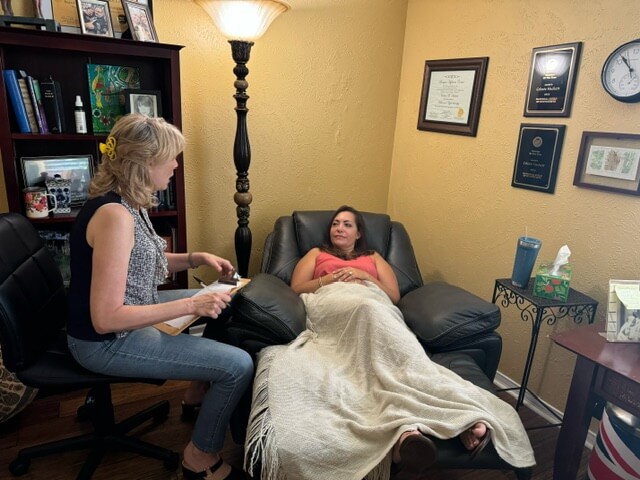
Exploring Subconscious Patterns and Emotional Responses
At Family First Hypnosis, our approach extends beyond traditional relaxation techniques and direct hypnotic suggestions.
Many individuals develop a clear intellectual understanding of their emotional difficulties through counseling, psychotherapy, or personal reflection, yet may continue experiencing unwanted automatic emotional reactions or behavioral patterns.
Celeste uses advanced hypnosis techniques to help clients explore subconscious associations, learned emotional responses, and longstanding patterns that may be contributing to these experiences.
The emphasis is on helping individuals develop new perspectives and responses to situations that have previously triggered unwanted reactions, while respecting the role of licensed mental health professionals in assessment and treatment.
Advanced Hypnosis Techniques
Celeste utilizes advanced hypnosis methods, including 5-PATH® (Five-Phase Advanced Transformational Hypnosis), hypnotic age regression, and techniques focused on emotional associations and learned responses.
These approaches provide opportunities for clients to explore their subjective experiences, earlier emotional associations, and patterns that may continue to influence their present-day feelings and behaviors.
During hypnotic age regression, clients may revisit remembered experiences or the impressions and emotions associated with them. The purpose is to explore personal meaning and emotional responses rather than establish historical facts.
Important clarification: Hypnosis and age regression are not considered reliable methods for recovering or verifying historically accurate memories. These techniques are not used to establish whether past events occurred.
Instead, the emphasis is on helping individuals reconsider emotional associations, develop new perspectives, and practice healthier responses in the present.
Addressing Automatic Emotional Responses
A client may consciously recognize that a particular fear, belief, or emotional reaction is no longer appropriate to their present circumstances, yet still experience that response automatically.
Such reactions may involve longstanding learned associations that are difficult to change through conscious reasoning alone.
Celeste’s approach provides an opportunity to explore these patterns and develop alternative responses, with the goal of reducing the influence of unwanted emotional triggers in everyday situations.
The objective is to support meaningful personal change that clients can incorporate into their daily lives.
Complementing Established Psychotherapeutic Approaches
Hypnosis may offer an additional avenue for personal exploration and behavioral change for individuals who are also participating in established therapeutic approaches, including:
- Cognitive Behavioral Therapy (CBT)
- Eye Movement Desensitization and Reprocessing (EMDR)
- Dialectical Behavior Therapy (DBT)
- Acceptance and Commitment Therapy (ACT)
- Mindfulness-based approaches
- Somatic and body-oriented therapies
- Psychodynamic and insight-oriented psychotherapy
- Internal Family Systems (IFS) and parts-oriented approaches
Each of these therapies offers valuable methods and clinical applications within the scope of licensed mental health care.
Hypnosis is not intended to replace these approaches. Instead, complementary hypnosis services may provide additional opportunities for individuals to explore automatic responses, emotional associations, and unwanted habits.
The appropriateness of hypnosis is considered individually, with attention to the client’s needs, existing care, and professional recommendations.
Respecting the Therapeutic Relationship
Family First Hypnosis recognizes the essential role licensed mental health professionals play in assessing, diagnosing, and treating psychological conditions.
Celeste works within her professional scope as a hypnotist and does not provide psychiatric diagnoses or psychotherapy.
When clients are receiving mental health treatment, hypnosis may be considered as a complementary service when appropriate. Collaboration with the treating professional may occur with the client’s written authorization.
Our goal is to respect the existing therapeutic relationship while supporting the client’s overall well-being.
Our Commitment to Collaborative Care
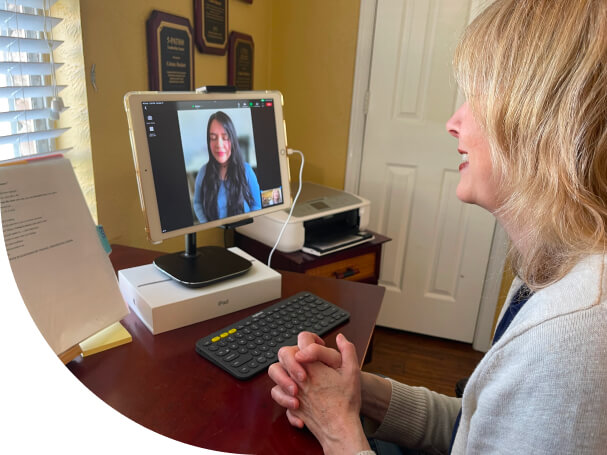
Family First Hypnosis welcomes appropriate referrals from licensed psychologists, therapists, counselors, and other mental health professionals.
Celeste respects the important role of licensed professionals in evaluating, diagnosing, and treating mental health conditions. Her hypnosis services are intended to complement, rather than replace, established mental health care.
When appropriate, Celeste may coordinate with a client’s treating professional, with the client’s written authorization. Referrals are considered individually to determine whether the requested services are appropriate and within her scope of practice.
Our goal is to provide a professional, respectful, and collaborative experience that supports the client’s overall well-being.